
Using Acupuncture to Calm Your Stress
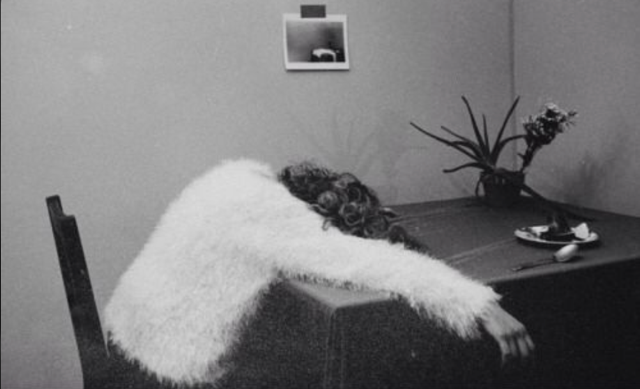
When you think of chronic stress we often imagine a high-flying business professional with impossible deadlines, endless meetings and no time for themselves.
While this is definitely someone whose stress is very high and chronic, the examples seen in clinic are much more commonplace. Often the fast pace of our lives, and to-do lists we have just to get through the day mean we all live with chronic stress.
What regulates ‘stress’…
As a bodily process, stress is linked to the sympathetic nervous system (SNS), which controls our ‘fight or flight’ response. When in active ‘fight or flight’, bodily processes that are deemed less essential to our safety are inhibited. This includes processes in the digestive, immune and reproductive systems as well as impacting our urination and mucous production… just to name a few.
Our parasympathetic nervous system (PNS) counteracts the effects of the SNS, putting our body in a state of rest, digest, recovery and procreate.
Ideally our body will spend around 95% of the time in a parasympathetic state, with only short and intense bursts from the SNS.
The problem is with the pace of society today; we tend to operate in a state of sympathetic dominance. With phone notifications, long work hours, driving through traffic, trying to eat on the go, excessive working out and social commitments it is easy to see how we can fall into a state where our fight or flight is always somewhat active.
Over time, the reduced time spent in a parasympathetic state can lead to impaired digestion, sleep issues, menstrual irregularities, heart palpitations, headaches and fatigue.
How does Chinese medicine view stress?
Chinese medicine understands that the physical self is fully integrated with the emotional and spiritual self. Thus, each of the 5 emotions is intimately tied to an internal organ. While there will be differences between individuals the primary organ systems affected by stress are the Liver, Spleen and Kidney.
The Liver…
In Chinese medicine the Liver is associated with anger, this also encompasses feelings of frustration, irritability and rage (which are all very close to feelings of stress). Further, the Liver governs the free flow of Qi, when the Liver is overwhelmed by anger and frustration it leads to Liver Qi stagnation.
Stress and Liver Qi stagnation have a reciprocal relationship as they are both viewed as causing and perpetuating one another. If left untreated over time, disharmony in other organ systems will arise.
The Spleen…
Due to 5 element theory, Liver disharmony often leads to disharmony in Spleen functioning. In Chinese medicine, the Spleen Qi is vital in transforming the food we give our body into energy, making it pivotal to our energy, digestion and how we feel. When our food or Spleen Qi is insufficient we experience sluggish digestion, fatigue and unrefreshing sleep.
The Kidneys…
If we continue pushing through stress and fatigue, we dip into our Kidney Qi and essence. The Kidneys are vital to growth, marrow, reproduction and ageing. Our Kidney essence is a finite resource that we inherited at birth but depletes with age, stress and lifestyle. When we push through stress and fatigue we take from our resource of vitality, borrowing energy from our future.

A Chinese medicine approach…
Treatment will look at treating the immediate symptoms of chronic stress such as digestive or sleep issues while also addressing root causes. Primarily treatment will focus on clearing Liver Qi stagnation, as well as restoring harmony in other organ systems.
A double blinded randomised trial by (Amorim et al., 2022) found that participants who received acupuncture had significant reductions in anxiety after 5 sessions as well as a decrease in morning salivary cortisol. The study utilises both psychological outcome measures and physiological markers to assess acupuncture’s effect on stress. These findings ultimately support the assertion that acupuncture can assist stress modulation.
Final thoughts…
Acupuncture immediately helps people feel grounded and return to their body, but the benefits extend beyond the day of treatment. With consistent and regular treatment we can gently bring the body back into a parasympathetic state, and in doing so we start to see other aspects of life fall back into harmony - such as digestion and sleep.
If you would like to learn more or have any questions, book in online or reach out via email.