

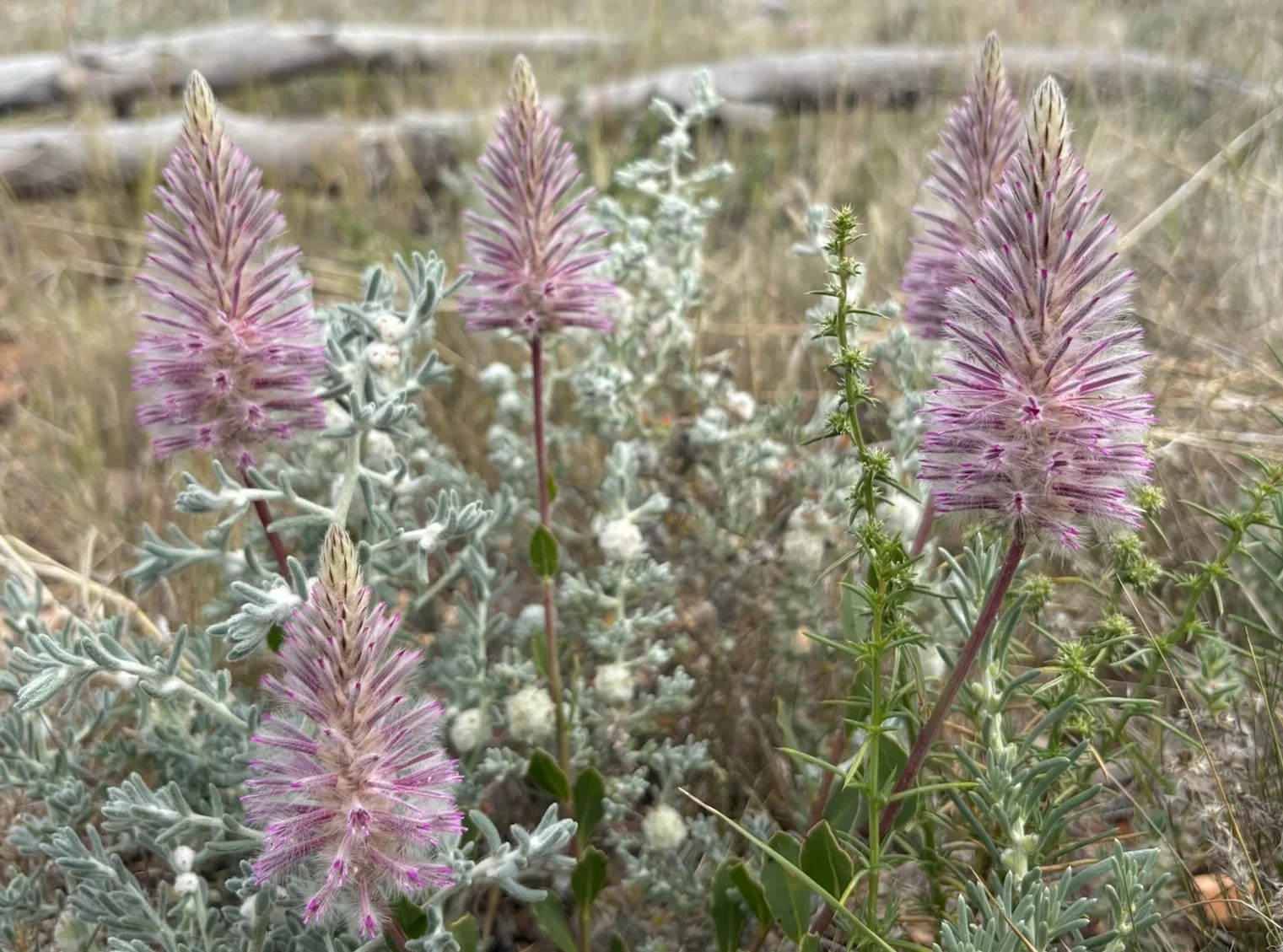
In September, as spring was arriving, I spent time in the desert of Central Australia, in Arrernte Country. Out there, life moves at the pace of Country. I noticed how the desert holds stillness and aliveness at once: the quiet heat of the day, the cool of the nights, the ancient red earth underfoot. It reminded me how much our bodies long for that same rhythm, and how rarely we permit ourselves to slow down enough to feel it.
Spring brings a similar invitation. As the days lengthen and the garden blooms and stirs, many of us feel a pull to shake off winter. Yet for some, this season can also bring restlessness, anxiety or a sense of being out of step with everything blooming around us.
The body knows about seasons
Just as nature moves through cycles of rest and renewal, our nervous systems move between shutdown, alertness and calm. When life has been stressful, or old experiences still live in us, we can get stuck in survival mode, even when the sun comes out.
Somatic therapy works gently with the body as well as the mind, helping the nervous system settle and building a felt sense of safety from the inside out.
What is Somatic Experiencing?
Somatic Experiencing (SE) is a body-based approach to healing stress and trauma, developed by Dr Peter Levine. It grew from a simple observation: animals in the wild face threat often, yet rarely stay traumatised. After danger passes, they shake, tremble and breathe deeply, releasing the survival energy so their bodies can return to calm.
Humans have this same capacity, but we often override it. We hold it together, push on, or think our way through. The energy that was meant to move through us can stay held in the body, showing up as tension, anxiety, numbness, exhaustion or a sense of never quite being able to relax.
In SE, we don’t need to relive difficult experiences in detail. Instead, we work slowly and gently with what is happening in the body right now. A few key ideas guide this work:
The felt sense: noticing sensations such as warmth, tightness, tingling, heaviness or ease, with curiosity rather than judgement.
Resourcing: finding what helps you feel safe, steady or supported, whether a person, a place, a memory, or a part of your body that feels manageable.
Titration: working in small, manageable amounts, so the nervous system isn’t overwhelmed.
Pendulation: gently moving attention between something that feels difficult and something that feels calm, teaching the body that it can touch discomfort and return to safety.
Completion and release: allowing natural responses such as a deep breath, a yawn, trembling, movement, tears or warmth to move through, as the body lets go.
Over time, this builds what we call resilience: a wider capacity to feel life fully while staying connected and grounded.
Movement as medicine
Before becoming a psychotherapist, I worked for many years as a dance movement therapist, and movement is still at the heart of how I understand healing. Our bodies are designed to move through feeling: to shake, sway, stretch and soften. When we let them, emotions that felt stuck can begin to flow again.
A small spring practice
Next time you’re outside, try this for a few minutes:
Begin by introducing yourself to Country. Pause, acknowledge the Traditional Custodians of the Country you’re standing on, and offer a quiet hello, as you would when arriving somewhere as a guest. Here in Melbourne, that is the Country of the Wurundjeri Woi-wurrung and Bunurong peoples of the Kulin Nation.
Take off your shoes if you can, and feel the ground beneath you.
Let your eyes wander until they land on something pleasant: new leaves, a flower, birds and insects, the open sky.
Notice what your body wants to do. Maybe stretch, sway, breathe more deeply or simply be still. Follow it gently.

More practices to try at home
Orienting
Slowly turn your head and let your eyes explore the space around you, as if seeing it for the first time. Notice colours, shapes and light. Let your gaze rest on whatever draws you. This simple practice signals to the nervous system that you are here, now, and safe enough to settle.
The self-hold
Place one hand on your forehead and the other on your chest. Rest here and notice what happens inside. When you feel a small shift, perhaps a softening or a deeper breath, move the hand from your forehead to your belly. Stay as long as it feels good. This gentle hold can help the body feel contained and supported.
Finding a resource
Bring to mind a place, person, animal or moment that feels comforting. Notice where in your body you feel that comfort. Is it warmth in the chest, softness in the shoulders, steadiness in the legs? Let yourself stay with that sensation for a few breaths, savouring it.
Pendulation
If you notice an area of tension or discomfort, acknowledge it briefly. Then find a place in your body that feels neutral or pleasant, perhaps your hands, feet or the back pressing into the chair. Rest your attention there. Gently move back and forth between the two, staying mostly with the place of ease. Notice if anything changes.
The “voo” sound
Take a comfortable breath in, and on the out breath make a low, deep “voooo” sound, like a foghorn, letting it vibrate in your belly. Repeat a few times. This can soothe the nervous system and help bring you back into your body.
Shaking it off
Stand with your knees soft and begin to gently bounce or shake, starting in the hands and letting it spread through your arms, shoulders, legs and whole body. Let it be playful. After a minute or two, come to stillness and notice the aliveness in your body. This echoes what animals do naturally to release stress.
A gentle note: go slowly with these practices. If anything feels like too much, pause, open your eyes, feel your feet on the ground and return to something that feels steady. Less is often more.
Nature doesn’t rush, and neither do we need to. Small moments like this, repeated often, help us feel connected to Country, and help the body remember it can rest.